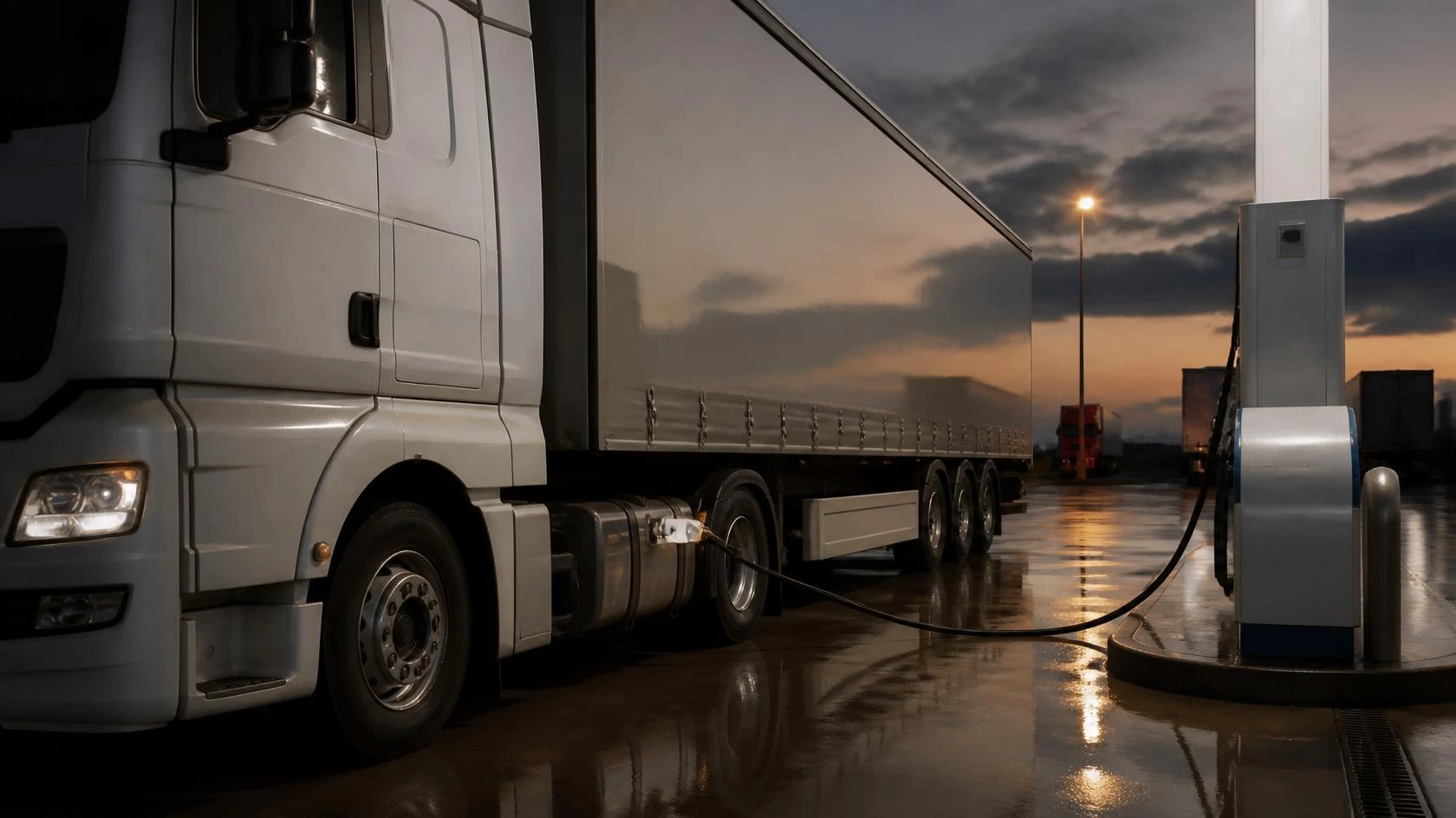
Why is diesel so expensive right now? On 28 September 2026, the UK average price of diesel reached 199.18p a litre. That beats the previous all-time high of 199.09p, set in June 2022, according to RAC Fuel Watch. Unleaded petrol averaged 174.13p, so diesel now costs around 25p a litre more.
If you run trucks, vans, buses or coaches, that gap lands on every mile your fleet covers. This guide explains what sits behind high diesel prices in the UK, why diesel fuel costs more than petrol, and what your business can do to keep fuel costs under control.
Here is where diesel prices stand at the end of September 2026:
Filling a 55-litre family car with diesel now costs around £110. For a fleet, the numbers are far bigger.
Tax makes up a large share of the pump price. In the UK, diesel and petrol pay the same rate of fuel duty: 52.95p per litre. VAT at 20% is then added to everything, including the duty. That means the average price at the pump breaks down like this:
| Part of the price | Pence per litre |
| Fuel duty | 52.95p |
| VAT at 20% | 33.20p |
| Wholesale fuel, delivery, biofuel and retailer margin | 113.03p |
| Average pump price (28 September 2026) | 199.18p |
So about 43% of what you pay is tax. But tax is not what has changed this year. Duty has been frozen since the 5p cut in March 2022. Almost all of the rise has come from the wholesale cost of the fuel itself.
The temporary 5p cut now runs to 31 December 2026. Under rates the government published in May 2026, duty rises to 55.95p from 1 January 2027 and 57.95p from 1 March 2027. Once VAT is added, that is about 6p a litre more by spring.
Red diesel is different. This rebated fuel is used in farm machinery, some trains and other non-road equipment. Its duty rate is 6.48p a litre until the end of 2026, after an extra temporary cut from 15 June. Since April 2022, most sectors, including construction, have lost the right to use it. It can never go in a road vehicle. HMRC tests fuel tanks at the roadside, and using red diesel illegally can lead to vehicle seizure and heavy penalties for the business.

Before the Iran war, diesel cost around 10p a litre more than petrol. That gap has more than doubled. Four things explain why.
The same pattern shows up in the US. Official EIA figures for 21 September 2026 put a US gallon of diesel at $6.53, against $4.48 for regular gasoline. Diesel there has risen about $2.78 a gallon in a year, while gasoline prices are up $1.31. So diesel is more expensive than gasoline on both sides of the Atlantic, and US gas prices have risen far less than the cost of running diesel trucks. The reasons match the UK: gasoline is mostly bought by households who can cut back, while freight has no easy alternative. Note that a US gallon is smaller than a UK gallon: 3.79 litres against 4.55.

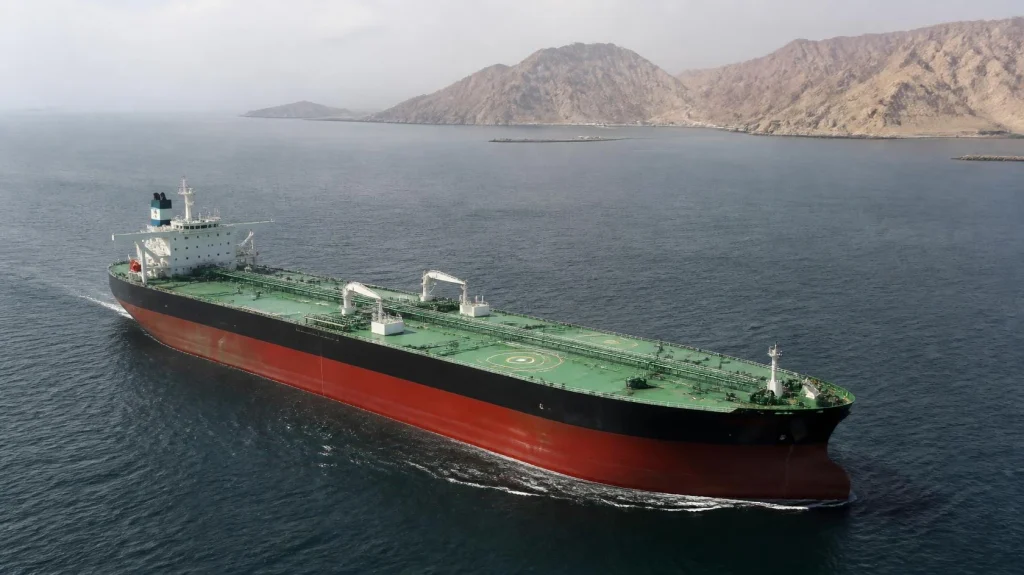
The biggest single cause of this year’s rise is the Iran war. Fighting involving the US, Israel and Iran broke out in late February 2026. By early March, Iran had closed the Strait of Hormuz, the narrow channel between Iran and Oman. Around a fifth of the world’s oil supply normally passes through it.
Brent crude, the benchmark for UK fuel prices, jumped from about $72 a barrel to a peak of just over $118 at the end of March. A ceasefire was announced in April, but shipping through Hormuz stayed well below pre-war levels. Oil prices fell back to around $72 in early July, then climbed again. By late September, Brent was around $106.
RAC head of policy Simon Williams has warned that only a sustained lower oil price, “over several weeks, not days”, will bring cheaper prices at the pumps.
The UK had 18 refineries in the early 1970s. Today it has four: Fawley, Stanlow, Pembroke and the Humber refinery at Immingham. Grangemouth stopped processing crude in April 2025 and is now an import terminal. Lindsey, in Lincolnshire, went into administration in June 2025 and has since closed.
Each closure increases the amount of fuel the UK must buy from abroad. The refining industry has warned that carbon costs under the UK Emissions Trading Scheme put more sites at risk. Less home production means less of a buffer when fuel supplies tighten. If a tanker is delayed or a refinery abroad has an outage, UK forecourts feel it quickly.
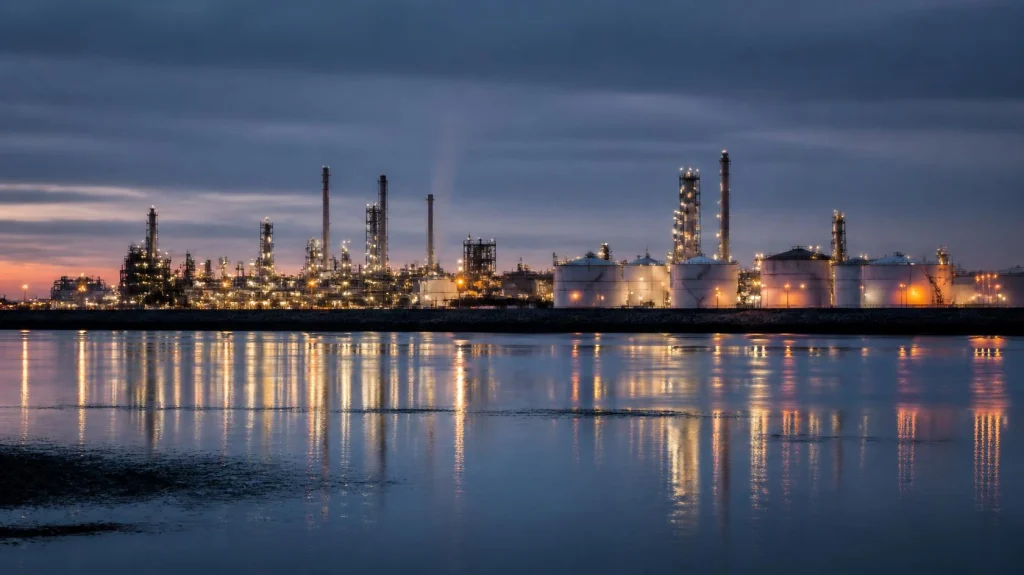
Crude oil is the raw material for diesel, so its price sets the floor. Three things move it:
Retailer margins, the forecourt’s profit on each litre, sit on top. Since 2 February 2026, the Fuel Finder scheme has required every UK filling station to report price changes within 30 minutes. The Competition and Markets Authority can fine those that fail to do so. The data makes it easier for motorists and fleets to track the average price in their area and see where retailers are taking bigger profits. The CMA has previously found that some supermarkets increased their fuel margins, so this extra transparency matters for every business that buys fuel in volume.

Fuel is one of the biggest running costs for any operator. Take an articulated lorry returning around 8.5mpg over 100,000 miles a year. It uses roughly 53,500 litres of fuel. With diesel about 56p a litre dearer than in February, that adds around £25,000 a year per truck, even after reclaiming VAT. For an operator running 20 trucks, that is roughly half a million pounds a year in extra fuel.
Those diesel costs do not stay with hauliers. Higher transportation costs feed into the price of food and other goods, which adds pressure to inflation. Supermarkets, builders’ merchants and parcel networks all pass some of the increase on. Bus and coach operators, farmers, logistics firms and construction companies all face the same squeeze on expensive fuel.
Many haulage contracts include a fuel surcharge clause that links rates to published pump prices. If yours do not, now is a good time to review them.
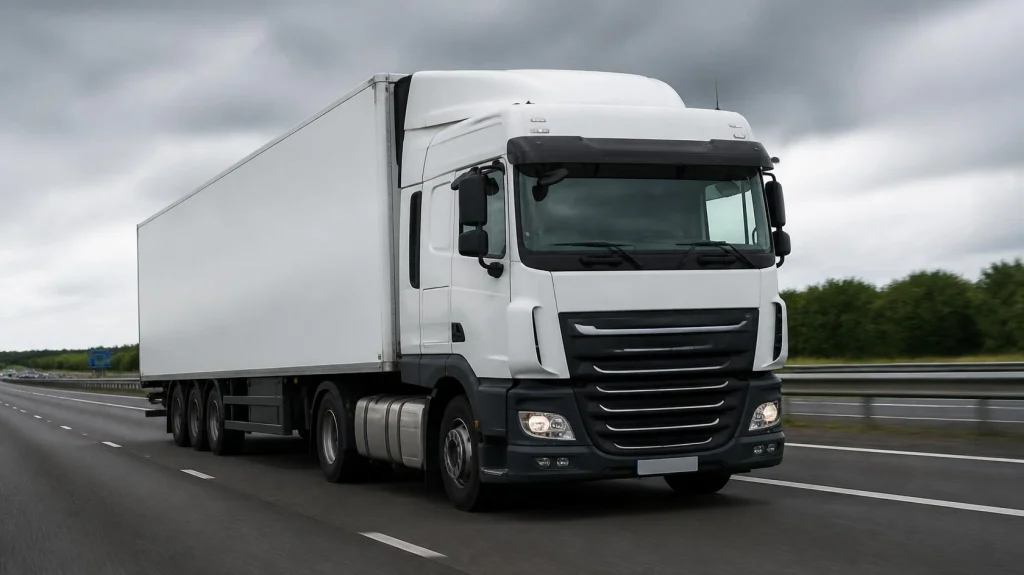
You cannot set the price of crude oil, but you can control how much fuel your fleet uses.
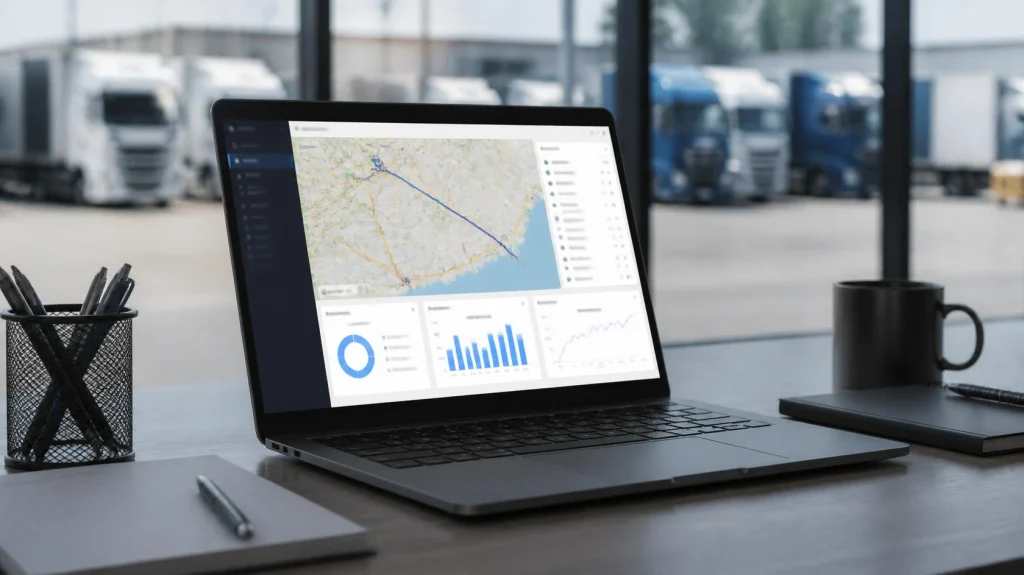
Fleet management software brings this together, so you can see fuel use by vehicle and driver and act on it. Lloyd Morgan Group supports operators with the training, audits and software needed to run a compliant, efficient fleet. Speak to our team to find out how we can help you get more miles from every litre.
Mainly because of the Iran war. The closure of the Strait of Hormuz cut oil and fuel supplies from the Middle East, pushing up crude oil and wholesale costs. The UK imports about half its diesel, so it is more exposed than it is for petrol. On top of that, fuel duty and VAT add around 86p to every litre at today’s average price.
Not quickly, unless oil prices fall and stay down. The RAC says pump prices only follow a sustained drop over several weeks. Fuel duty is also due to rise by 3p a litre on 1 January 2027 and by another 2p on 1 March 2027, adding about 6p a litre once VAT is included. A deal that fully reopens Hormuz would do most to bring fuel prices down.
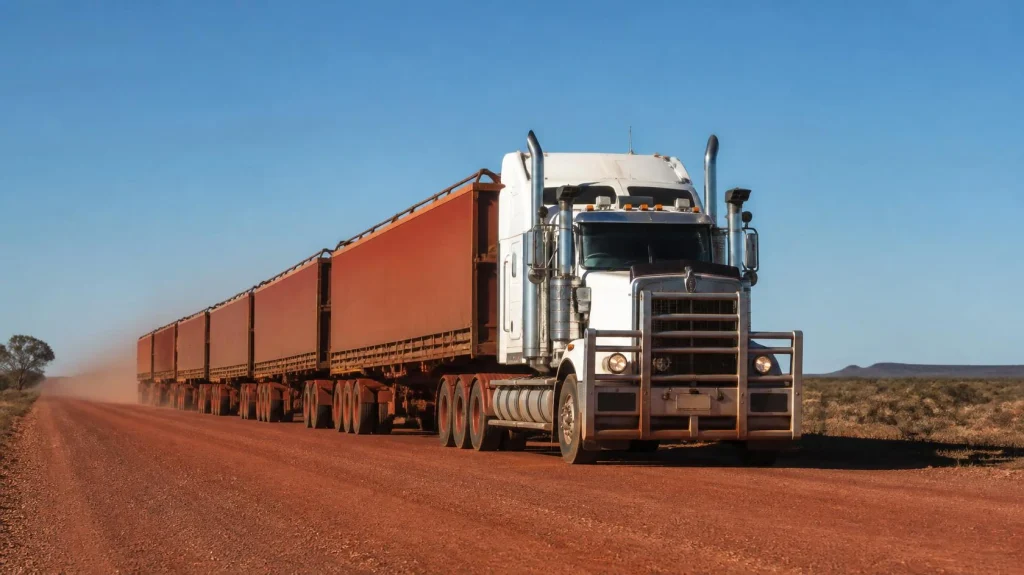
Australia imports most of its refined fuel and has only two refineries left. Its prices track the Singapore benchmark, and Singapore’s refineries rely heavily on crude from the Middle East. Mining, farming and freight use huge volumes of diesel, so demand stays strong. Australian diesel averaged over 320 cents a litre in April 2026, even after the government cut fuel excise.
Canada produces plenty of crude oil, but its pump prices still follow global markets. Provincial fuel taxes vary widely, and some regions rely on fuel refined elsewhere. The federal government suspended its 4-cent-a-litre excise tax on diesel from 20 April 2026 and has extended that relief to 31 January 2027. Even so, higher global prices have outweighed the saving.









Email us at:
[email protected]
Find us at:
Lloyd Morgan Group Ltd
Phoenix House,
Hemlock Park,
Hyssop Close,
Cannock.
WS11 7GA