No products in the basket.
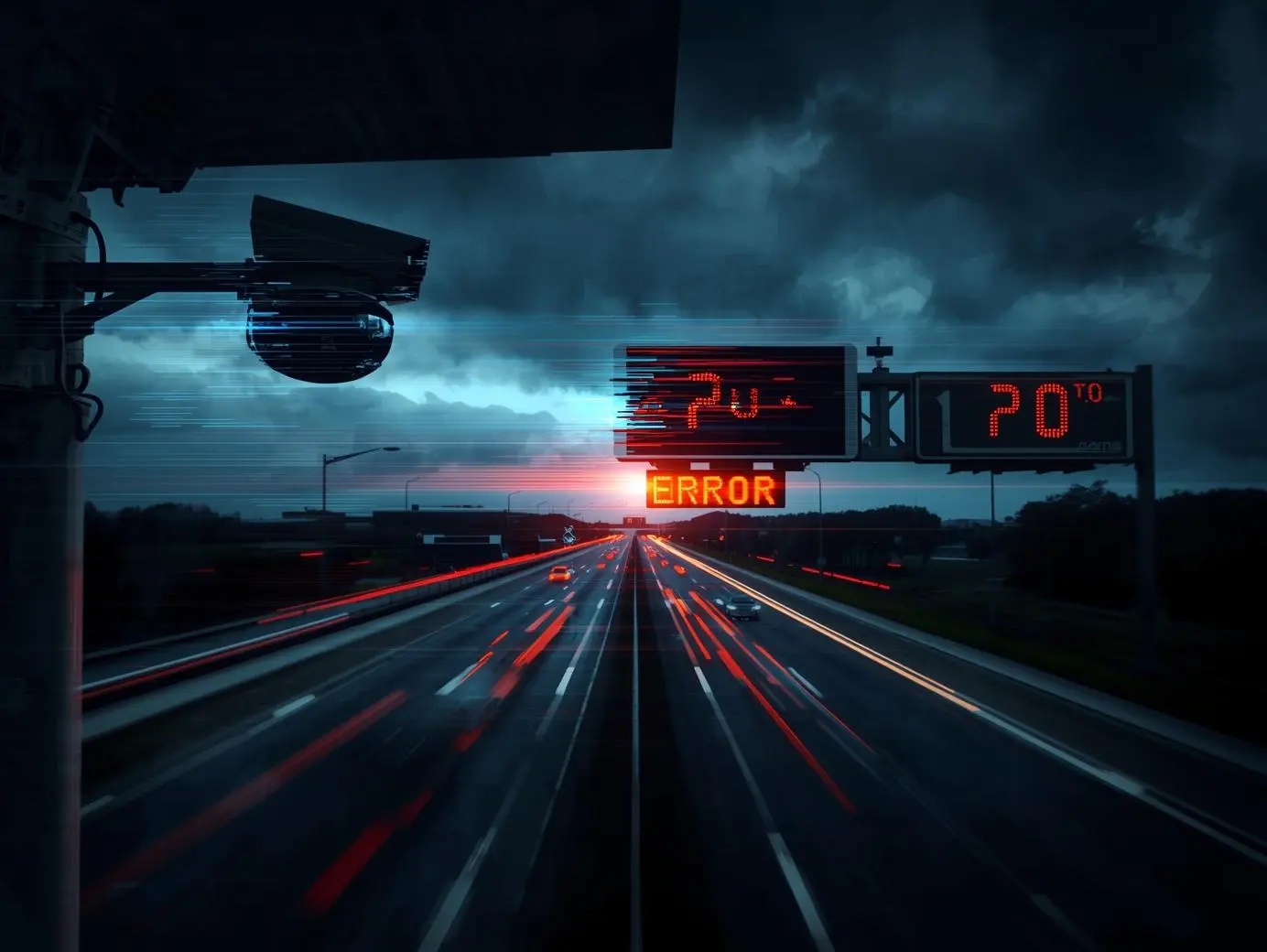
If you’ve received a speeding fine on an English motorway or A-road recently, you might want to take a second look at it. National Highways has just admitted to a technical fault that’s been wrongly flagging drivers for speeding since 2021.
Here’s what happened. It turns out there was a delay between when the variable speed limit signs changed and when the cameras actually updated to match. We’re talking about roughly 10 seconds here, but that was enough to catch out thousands of motorists who were simply following the new speed limit that had just appeared on the signs above them.
According to National Highways, they’ve identified around 2,650 incorrect camera activations since 2021. Now, not all of these will have resulted in actual fines since camera activations don’t always lead to enforcement action, but still, that’s potentially a lot of people who’ve been penalised unfairly.
The good news is that if you were one of the unlucky ones, you don’t need to do anything. National Highways has said that anyone who was incorrectly fined will be contacted directly by the relevant police force. You’ll get your money back and any penalty points removed from your licence.
Nick Harris, the chief executive of National Highways, has apologised for what they’re calling a “technical anomaly” and says they’ve developed a fix to make sure it doesn’t happen again. Police forces have temporarily stopped issuing fines from these variable cameras while they work through the backlog and get confidence in the systems again.
This story comes at a time when fines for company car and van drivers have been climbing anyway. Recent data shows that speeding offences have risen from 13% to 14.5% of all penalties, while private parking fines remain the biggest culprit at 35.5%.
With one vehicle leasing company processing nearly a quarter of a million fines in 2024 alone, it’s clear that drivers are feeling the pinch. Effective fleet management and driver training can help reduce unnecessary penalties.
The fault affected about 10% of motorways and A-roads in England, including all variable speed cameras on smart motorways and two cameras on the A14. In the grand scheme of things, the 2,650 incorrect activations represent less than 0.1% of the 6 million total activations during that period, but for the individuals caught out, that’s cold comfort.
First off, continue to observe the posted speed limits as normal. The enforcement is still in place, and anyone genuinely breaking the law can still expect to be prosecuted. National Highways has developed new data checks to ensure nobody will be wrongly prosecuted going forward, and they’re working with police forces to implement these.
If you think you might have been affected by this fault, sit tight. You’ll be contacted if your case is one of those being reviewed. In the meantime, our driver CPC training courses ensure your team stays up-to-date with all regulatory changes and best practices.
It’s frustrating when technology meant to keep us safe ends up penalising people who were doing nothing wrong. At least National Highways has owned up to the issue and is putting things right. Let’s hope the fix they’ve developed means we won’t see this happening again.
For over 20 years, Lloyd Morgan Group has been helping UK fleet operators navigate transport compliance, from DVSA regulations to driver training. Based in Cannock, we provide comprehensive support for fleet operators across the UK.
Explore our services: Fleet Management | Driver Training | Compliance Audits








Email us at:
info@lloydmorgangroup.co.uk
Find us at:
Lloyd Morgan Group Ltd
Phoenix House,
Hemlock Park,
Hyssop Close,
Cannock.
WS11 7GA