No products in the basket.
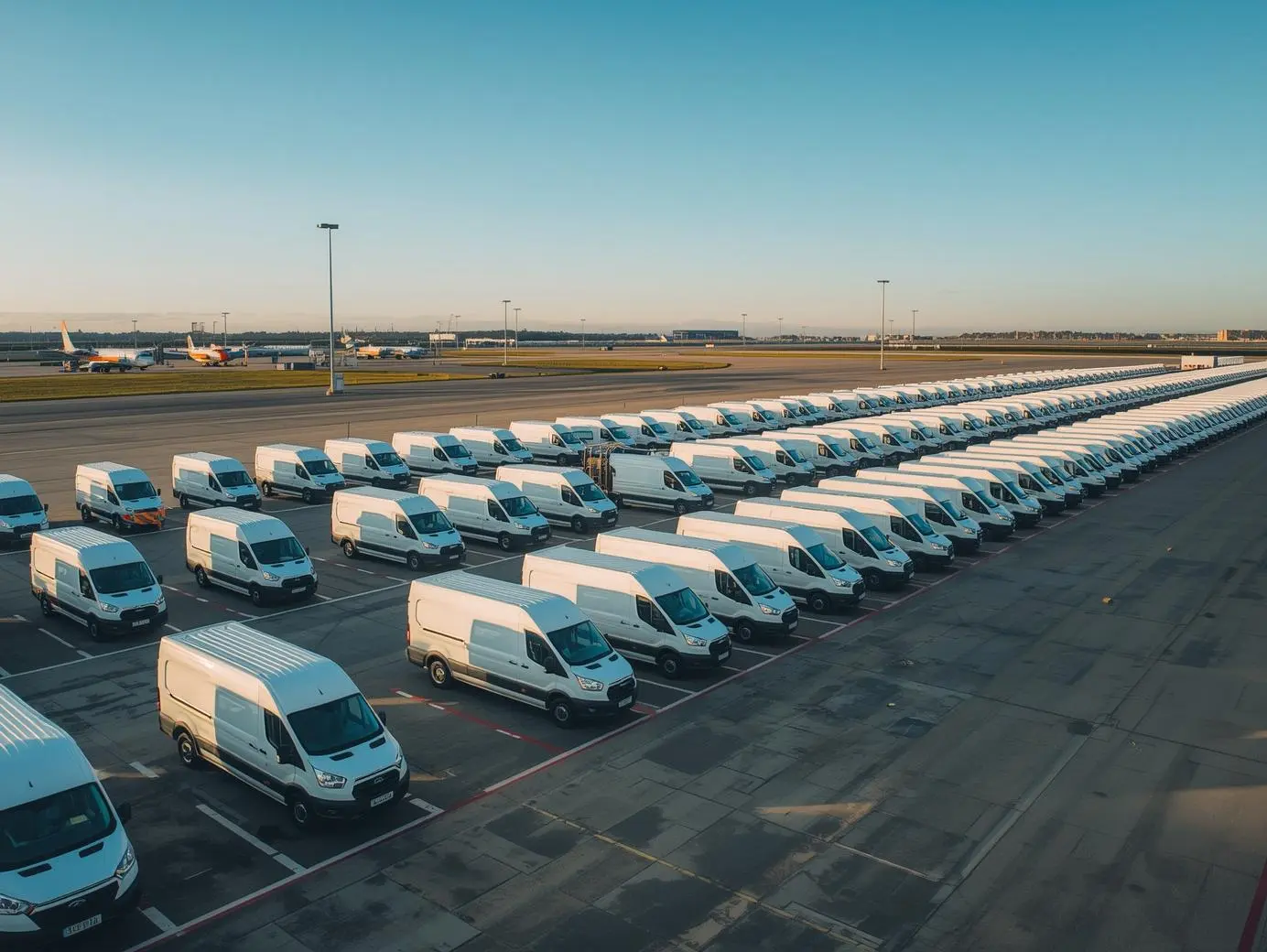
Running a fleet is getting harder. Rising fuel costs, tightening regulations, and demanding customers all chip away at your margins. You cannot afford guesswork. What would it mean if you had real-time visibility of every vehicle, driver, and expense—preventing problems before they occur?
What is stopping you from getting there right now?
Fleet management has evolved from basic vehicle maintenance scheduling into sophisticated systems. Today’s fleet management company operations centre on optimising every aspect through technology-driven fleet services.
Fleet management experts once focused solely on maintaining company vehicles. As commercial fleets expanded, comprehensive fleet management solutions became essential. Modern fleet management software provides data insights that extend vehicle lifecycles and enhance asset utilisation.
Stricter fleet management regulations require companies to adapt continuously. From emissions standards to driver safety requirements, fleet managers must stay informed. Global pushes for greener technologies and electric vehicles create fresh opportunities and challenges whilst serving clients more effectively.

Implementing fleet management software transforms operations through comprehensive performance oversight. Real-time data enables informed decisions that improve every operational aspect.
Fleet management software analyses vehicle usage to identify underutilised assets and maximise potential across your entire fleet. Optimised route planning and fuel management deliver substantial fleet costs savings whilst improving performance.
Automated systems track regulatory requirements, reducing penalty risks. Better scheduling and route optimisation lead to timely deliveries, enhancing customer satisfaction when your core business operations run smoothly.
Fleet management software monitors driver behaviour, identifies improvement areas, and enables targeted training. This boosts efficiency whilst improving safety, reducing accident risks and associated costs across vehicles and drivers.

Modern fleet management systems equip operations with crucial tools. These features help fleet management experts deliver exceptional fleet services.
Vehicle tracking provides immediate location insights. Monitor vehicle movements in real time, making adjustments as needed. Telematics systems deliver comprehensive data on fleet assets, enabling proactive management of deployment across your entire fleet.
Automated maintenance alerts prevent costly breakdowns through predictive maintenance strategies. Schedule vehicle inspections at convenient times, reducing downtime and keeping vehicles operational. Regular vehicle inspections ensure fleet maintenance standards stay high.
Fuel management tools monitor consumption and identify inefficiencies. Analyse fuel usage data to implement cost-reduction strategies. Integration with other systems ensures seamless connectivity for comprehensive analysis, helping fleet management companies reduce fleet costs significantly.
Monitoring driver operations identifies improvement opportunities and training needs. This enhances safety and efficiency, reducing accident risks. Robust accident management systems help document incidents and implement preventive measures.

Cannock fleet managers leverage technology and local resources to enhance operations. Strategic approaches deliver measurable improvements in service delivery.
Advanced mapping technologies enable efficient route planning, reducing travel time and fuel consumption. Consider traffic patterns and road closures for smooth fleet operations. Regular driver training sessions boost skills and safety awareness, reducing accidents whilst improving performance.
Analysing fleet data reveals improvement opportunities. Examine vehicle usage, fuel consumption, and maintenance patterns to optimise business operations. This ensures informed decisions supporting your core business objectives.

Fleet managers face challenges from regulatory compliance to cost control. Strategic approaches overcome these obstacles effectively.
Proactive maintenance strategies prevent unexpected downtime. Regular schedules and automated alerts address issues before they escalate. Effective communication with drivers reduces misunderstandings and improves performance.
Data overload requires analytical tools for management. Focus on relevant data for informed decisions that optimise operations. Adapting to technology changes requires continuous learning. Stay informed and embrace new solutions for future success.
Choosing appropriate fleet management software optimises operations. Strategic selection ensures your fleet management company gets maximum value.
Identify specific business needs and evaluate how different solutions address them. Consulting fleet management experts provides valuable perspectives for informed decisions. Assess features and capabilities to find optimal alignment with goals.
User-friendly interfaces ensure ease of use and minimise learning curves. Consider scalability for future-proofing. Software that grows with your business avoids expensive upgrades. Quality vendor support makes substantial differences in overall experience, particularly for understanding how management software work delivers results.
Technology continuously redefines fleet management practices, offering fresh optimisation opportunities. Fleet services evolve alongside technological advancement.
Artificial intelligence provides predictive insights for proactive management. Analysing data and identifying trends enables informed decisions. IoT devices deliver real-time data across fleets. Connected vehicles and systems enable seamless communication and data sharing. Blockchain technology ensures secure, transparent transaction records, improving accountability.
Autonomous vehicles represent the next frontier, offering significant efficiency and safety improvements. This emerging technology promises fleet management innovation. Smart vehicle acquisition and vehicle procurement strategies leverage these advances for competitive advantage.

Implementing eco-friendly practices reduces environmental impact whilst achieving sustainability goals. Modern fleet services prioritise environmental responsibility.
Efficient fuel usage reduces emissions and delivers cost savings. Implement strategies optimising fuel consumption for significant environmental and financial benefits. Regular fleet maintenance ensures peak performance and longevity, reducing emissions whilst improving efficiency.
Investing in alternative fuel vehicles supports green initiatives and reduces environmental impact. Encouraging responsible driving practices reduces emissions and fuel consumption. Training and incentives for safe driving improve efficiency, contributing to sustainable fleets.
Streamlined operations directly reduce fleet costs and increase profitability. Strategic fleet management delivers measurable business results.
Effective resource allocation maximises asset utilisation and minimises waste, improving profitability margins. Strategic planning reduces waste and maximises utilisation. Data analysis identifies improvements and implements optimising strategies for enhanced bottom lines.
Improved customer service creates increased business opportunities, contributing to profitability. When clients receive exceptional service, they return and recommend your business. Focus on cost reduction strategies and optimised operations to strengthen profitability.
You have a choice. Stay with familiar habits, or adopt tools delivering sharper control, lower costs, and stronger compliance. Fleets gaining ground in Cannock are already acting. They use data to prevent downtime, train drivers purposefully, and adopt systems cutting through complexity.
Where will your fleet stand in six months? What change can you implement today that improves your fleet maintenance tomorrow?
Take the next step. Your future results depend on it.
Fleet management oversees and optimises company vehicle fleets for enhanced efficiency, safety, and cost-effectiveness. It involves vehicle tracking, monitoring fuel usage, scheduling maintenance, and ensuring compliance. Advanced technology like GPS and telematics enables fleet managers in Cannock to make data-driven decisions, improving operations and reducing expenses whilst keeping vehicles running smoothly.
The four pillars comprise safety, efficiency, sustainability, and compliance. Safety minimises accidents and maintains vehicle integrity. Efficiency optimises routes and fuel consumption for cost savings. Sustainability reduces environmental impact through greener practices. Compliance ensures adherence to legal and industry standards. Cannock fleet managers balance these pillars to keep operations strong and protect reputation.
Excellence requires strong organisational skills for managing schedules and logistics efficiently. Communication abilities coordinate drivers and stakeholders effectively. Analytical skills interpret data and optimise performance. Technology familiarity, including telematics systems, proves essential. Problem-solving addresses unexpected issues swiftly. Understanding local regulations and conditions enhances effectiveness, ensuring smooth operations.
Key Performance Indicators are measurable values assessing fleet operation efficiency and performance. Common KPIs include fuel efficiency, vehicle utilisation, maintenance costs, and accident rates. Monitoring these metrics identifies improvement areas, enabling informed decisions enhancing productivity. Tracking KPIs sets benchmarks and targets, ensuring fleet operations align with business objectives and operate at optimal levels.
Fleet management ensures smooth, efficient company vehicle fleet operations. It reduces costs through optimised routes and fuel consumption. Effective management enhances safety by enforcing maintenance schedules and monitoring driver behaviour. It ensures compliance with legal regulations, avoiding fines and penalties. In Cannock, robust fleet management supports sustainability efforts and improves satisfaction by ensuring timely deliveries and service.

Email us at:
info@lloydmorgangroup.co.uk
Find us at:
Lloyd Morgan Group Ltd
Phoenix House,
Hemlock Park,
Hyssop Close,
Cannock.
WS11 7GA